
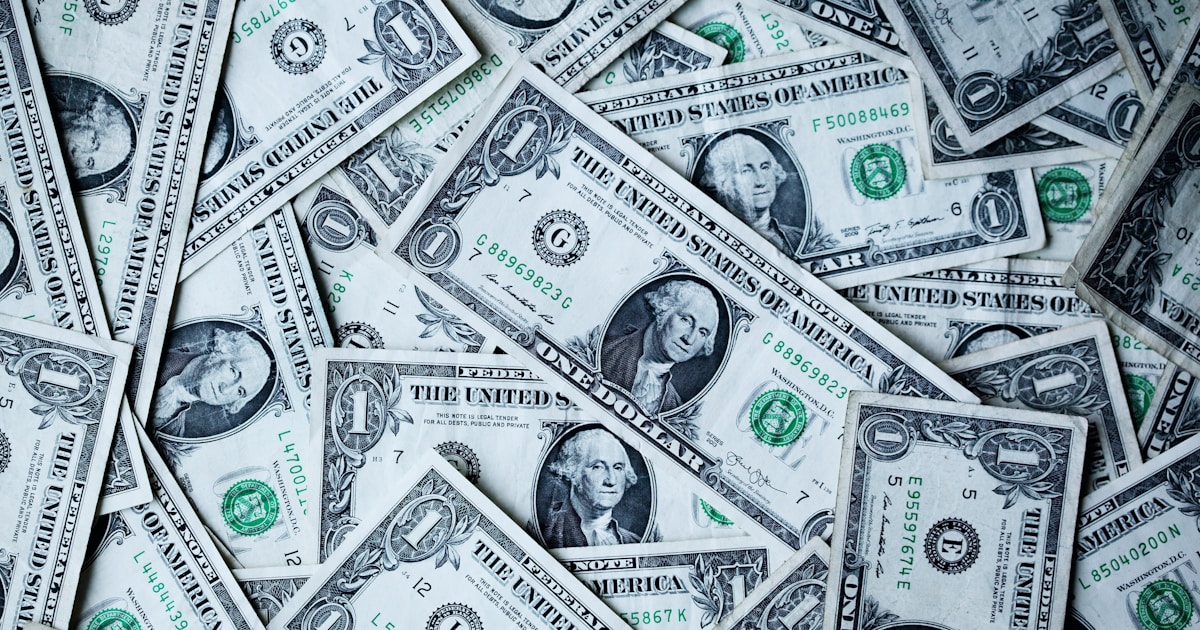
The dollar's dominance in global trade is not an accident. It was institutionalized at the 1944 Bretton Woods conference, when allied nations agreed to peg their currencies to the dollar, which was itself pegged to gold. Even after the gold peg was abandoned in 1971, the dollar retained its reserve currency status through the sheer depth and liquidity of US financial markets, the size of the US economy, and crucially, the petrodollar system established in the 1970s, under which oil is priced and settled in dollars globally.
Reserve Currency Status: What It Actually Means
Roughly 60% of global foreign exchange reserves are held in US dollars. Around 40% of all international transactions are denominated in dollars, including the vast majority of commodity trades — oil, gold, copper, agricultural products. Central banks from Beijing to Frankfurt hold large dollar reserves because it gives them a tool to manage their own currency stability and participate in global trade smoothly. This demand creates a structural floor under dollar strength that does not exist for other currencies.
A Strong Dollar: Winners and Losers
When the dollar appreciates, US consumers benefit — imports get cheaper, international travel becomes more affordable, and inflation on imported goods eases. But US exporters get hurt because their products become more expensive for foreign buyers, cutting into sales volumes and profit margins. Emerging market economies that carry dollar-denominated debt face a double squeeze: their debt service costs rise in local currency terms while their export revenues may stagnate. Dollar strength cycles have historically been associated with financial stress in developing economies.
A Weak Dollar and Its Consequences
Dollar depreciation flips the equation. US manufacturers gain competitiveness globally, exports rise, and trade deficits tend to shrink. Commodity prices typically surge because most commodities are priced in dollars — a weaker dollar means the same number of dollars buys more barrels of oil or bushels of wheat from the commodity producer's perspective, pushing prices up. For US investors with international holdings, a weak dollar boosts returns on foreign assets when translated back into dollars.
The Dollar's Future and Dedollarization
Periodic predictions of dollar collapse have circulated for decades and have been consistently wrong. The structural advantages — deep capital markets, rule of law, and network effects from decades of dollar-based contracts — are enormous. That said, the dollar's share of global reserves has declined gradually from over 70% in the 1990s to around 58% today. Countries like China and Russia are actively building alternative payment infrastructure. The realistic scenario is not a sudden collapse but a slow, managed erosion of dominance over decades. For now, the dollar remains the world's functional operating system for international commerce, and understanding its movements is non-negotiable for anyone operating in global markets.