
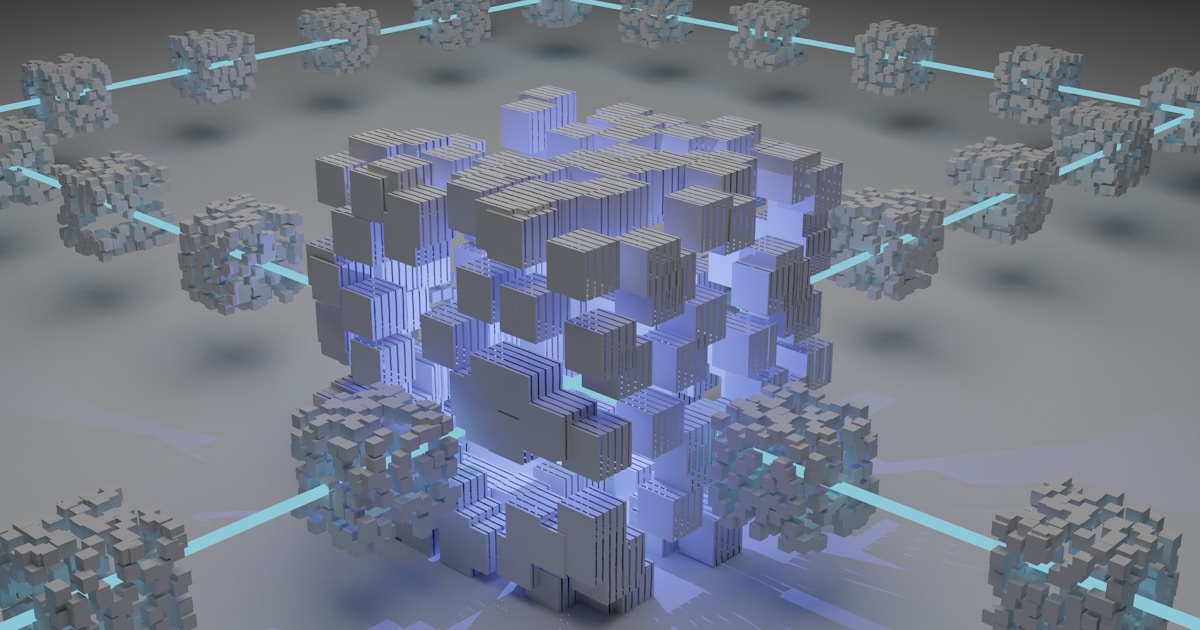
The term Web3 was coined by Ethereum co-founder Gavin Wood in 2014. It describes a vision of the internet built on decentralized blockchain infrastructure, where users interact with applications through self-custodied wallets rather than platform accounts, and where digital assets — tokens, NFTs, governance rights — are owned by users rather than corporations. To understand why this matters, it helps to understand what came before it.
Web1, Web2, and the Ownership Problem
Web1 (roughly the 1990s) was read-only. Static pages, no user accounts, no personalization. Web2 brought interactivity — social media, e-commerce, user-generated content — but at a cost. Platforms like Facebook, Google, and Amazon built trillion-dollar businesses by becoming the intermediaries between users and the internet. They own the data, control the algorithms, set the rules, and capture the economic value. Users create the content and attention; platforms monetize it. Web3 proposes to break this model by removing the middleman entirely.
How It Works in Practice
In a Web3 application, your identity is your wallet address. You log in with a cryptographic signature instead of a username and password. Your assets — whether they are tokens, game items, or credentials — live on the blockchain and move with you across applications. Decentralized autonomous organizations (DAOs) allow communities to govern protocols through token-based voting. Smart contracts execute agreements automatically without relying on a company to honor them. The technical stack is real; the question is whether it can scale to mainstream use.
Current Limitations
Web3 faces significant friction. User experience remains far behind Web2 standards — managing wallets, gas fees, and seed phrases is too complex for most people. Scalability has improved with Layer 2 networks but remains a work in progress. Many applications that call themselves Web3 still rely on centralized infrastructure for data storage, front-ends, or off-chain computation. And the space has been marred by speculation, scams, and projects that prioritized token price over actual utility.
Real Applications Gaining Traction
Despite the noise, certain use cases are showing genuine traction. Decentralized finance has enabled permissionless lending, borrowing, and trading for users who lack access to traditional financial services. Digital ownership through NFTs — despite the speculative bubble — introduced a real technical primitive: provable scarcity and transferability of digital items. Decentralized identity projects are building portable credential systems that could reduce dependence on Big Tech login infrastructure. These are not finished products, but they are working prototypes of a different internet architecture.
The Road Ahead
The most realistic near-term outcome for Web3 is not a wholesale replacement of the existing internet, but a gradual integration of blockchain-based ownership primitives into applications that otherwise look and feel familiar. The winners will be projects that solve real problems for real users without requiring them to understand the underlying technology. The ideological vision of a fully decentralized internet may never fully materialize, but the tools being built in pursuit of it are already changing how digital ownership and finance work.